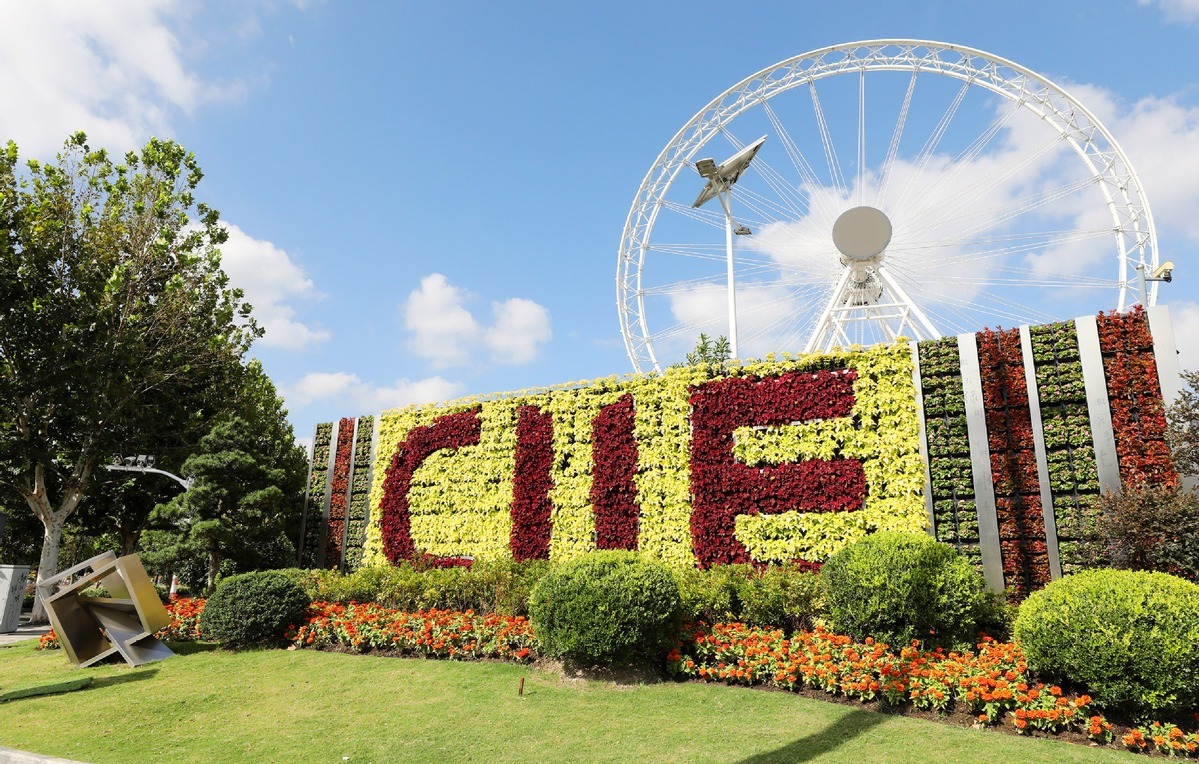
The decision to participate in the China International Import Expo, or CIIE, can be approached from two different angles. As an opportunity decision, a large market, a visible platform, and strong institutional support can make participation look like a logical next step for New Zealand and Australian businesses. As a readiness decision, it is more demanding than it first appears.
This matters because the two framings lead to very different preparations. An opportunity framing encourages broad presence. A readiness framing asks whether the business is structured to use that presence well.
This article offers a practical way to think about that readiness. Not as a checklist to pass or fail, but as a set of questions that help clarify whether CIIE is likely to move the business forward, or simply create activity without direction.
The first question: what are we actually trying to achieve?
One of the most common issues with CIIE participation is that the objective is too general.
“Entering China” is not a usable objective in a commercial setting. It does not guide conversations, and it does not help prioritise opportunities. By contrast, businesses that tend to get more from CIIE usually arrive with a more defined intention.
In practice, that often means something specific. It might be identifying two or three serious distribution partners in a particular category. It might be testing how a product is received at a certain price point. It might be strengthening an existing relationship that already exists but has not yet scaled.
The distinction is subtle but important. Without a clear objective, the exhibition becomes a series of conversations without a direction. With a clear objective, the same conversations can be evaluated, filtered, and progressed.
This is not about being overly rigid. It is about having a working hypothesis of what success looks like after the event.
The second question: do we understand how our product lands in China?
New Zealand businesses often enter China with strong product confidence. In many cases, that confidence is justified. New Zealand’s reputation in categories such as dairy, food, and health products remains strong.
However, product strength in one market does not always translate directly into another.
Chinese buyers are not only evaluating product quality. They are also considering:
whether the product fits a specific channel
how it compares to existing alternatives
whether the pricing structure is workable
how easily it can be explained to downstream customers
These factors shape how a product “lands” in a conversation.
CIIE can be useful in revealing these differences quickly. But relying on the event itself to discover them can be costly. Businesses that prepare in advance, even at a basic level, tend to get more meaningful feedback.
This is one of the areas where New Zealand companies sometimes underestimate the gap. The product is often strong. The translation of that product into the Chinese market context is where more work is needed.
The third question: who exactly do we want to meet, and why would they work with us?
CIIE offers access, but it does not provide targeting by default.
The exhibition floor brings together a wide mix of participants, including distributors, importers, retailers, and service providers. Not all of them are relevant to every business. Without a clear sense of who matters, it is easy to spend time on conversations that do not lead anywhere.
More importantly, it is not enough to define who you want to meet. It is also necessary to understand why they would choose to work with you.
From the buyer’s perspective, the decision is rarely about whether a product is “good.” It is about whether the product fits into their existing commercial structure. That includes margin expectations, logistics, brand positioning, and competitive alternatives.
Businesses that think through this from the buyer’s side tend to have more grounded conversations. Those that do not often rely on generic positioning, which is harder to convert into actual partnerships.
The fourth question: are we ready for what happens after the event?
CIIE is often seen as the main event. In practice, it is closer to the starting point.
The exhibition creates introductions and initial interest. The commercial work begins afterwards.
This is where many businesses encounter difficulty. They leave with a significant number of contacts, but without a clear system for follow-up. Communication slows down, priorities are unclear, and momentum fades.
The issue is not lack of effort. It is lack of structure.
In the Chinese market, responsiveness and continuity matter. Buyers often move quickly, compare options, and expect timely replies. Delays, even if understandable, can weaken early interest.
For New Zealand businesses operating across time zones and with limited local presence, this can be a practical constraint. It needs to be considered before the event, not after.
The fifth question: do we have internal ownership of this process?
Participation in CIIE is sometimes treated as a marketing or export activity. In reality, it sits across multiple functions.
It involves commercial decision-making, product positioning, pricing, logistics, and relationship management. Without clear internal ownership, it can become fragmented.
This often shows up in small but important ways. Messages are inconsistent. Follow-up is delayed because responsibility is unclear. Decisions take longer than expected because multiple stakeholders are involved but not aligned.
Businesses that assign clear ownership, even within a small team, tend to handle the process more effectively. Those that do not may still generate interest, but struggle to convert it into progress.
The sixth question: are we relying on the event to create clarity, or to apply it?
This is perhaps the most important distinction.
CIIE works well as a platform to apply a strategy. It is less effective as a place to create one.
When a business already has a sense of direction, the event can accelerate conversations, test assumptions, and create momentum. When that direction is missing, the same environment can feel overwhelming. Too many conversations, too many signals, and no clear way to interpret them.
This does not mean that early-stage businesses should avoid CIIE entirely. It does mean they should be realistic about what they are likely to get from it.
What this self-check is really about
This is not a checklist that determines whether a business is “ready” or “not ready.”
It is a way to understand whether CIIE will function as a multiplier or a distraction.
A business that can answer these questions with reasonable clarity is more likely to use the platform effectively. It will approach conversations with a purpose, interpret feedback in context, and carry momentum forward after the event.
A business that cannot answer them may still benefit from exposure and learning. But it should recognise that the return is likely to be less direct, and the cost of participation may be harder to justify in the short term.
Takeaway
CIIE is a significant platform, and for many New Zealand businesses it will continue to be relevant. But the decision to participate should not be driven by scale, visibility, or external expectations.
It should be grounded in readiness.
Before committing to CIIE, the more useful question is not “Should we go?” but “Are we clear enough on what we are trying to do, and ready enough to carry it through?”
When the answer is yes, CIIE can be a practical and valuable step. When it is not, the better move is often to prepare further, and return when the business is in a stronger position to use the opportunity well.
This matters because the two framings lead to very different preparations. An opportunity framing encourages broad presence. A readiness framing asks whether the business is structured to use that presence well.
This article offers a practical way to think about that readiness. Not as a checklist to pass or fail, but as a set of questions that help clarify whether CIIE is likely to move the business forward, or simply create activity without direction.
The first question: what are we actually trying to achieve?
One of the most common issues with CIIE participation is that the objective is too general.
“Entering China” is not a usable objective in a commercial setting. It does not guide conversations, and it does not help prioritise opportunities. By contrast, businesses that tend to get more from CIIE usually arrive with a more defined intention.
In practice, that often means something specific. It might be identifying two or three serious distribution partners in a particular category. It might be testing how a product is received at a certain price point. It might be strengthening an existing relationship that already exists but has not yet scaled.
The distinction is subtle but important. Without a clear objective, the exhibition becomes a series of conversations without a direction. With a clear objective, the same conversations can be evaluated, filtered, and progressed.
This is not about being overly rigid. It is about having a working hypothesis of what success looks like after the event.
The second question: do we understand how our product lands in China?
New Zealand businesses often enter China with strong product confidence. In many cases, that confidence is justified. New Zealand’s reputation in categories such as dairy, food, and health products remains strong.
However, product strength in one market does not always translate directly into another.
Chinese buyers are not only evaluating product quality. They are also considering:
whether the product fits a specific channel
how it compares to existing alternatives
whether the pricing structure is workable
how easily it can be explained to downstream customers
These factors shape how a product “lands” in a conversation.
CIIE can be useful in revealing these differences quickly. But relying on the event itself to discover them can be costly. Businesses that prepare in advance, even at a basic level, tend to get more meaningful feedback.
This is one of the areas where New Zealand companies sometimes underestimate the gap. The product is often strong. The translation of that product into the Chinese market context is where more work is needed.
The third question: who exactly do we want to meet, and why would they work with us?
CIIE offers access, but it does not provide targeting by default.
The exhibition floor brings together a wide mix of participants, including distributors, importers, retailers, and service providers. Not all of them are relevant to every business. Without a clear sense of who matters, it is easy to spend time on conversations that do not lead anywhere.
More importantly, it is not enough to define who you want to meet. It is also necessary to understand why they would choose to work with you.
From the buyer’s perspective, the decision is rarely about whether a product is “good.” It is about whether the product fits into their existing commercial structure. That includes margin expectations, logistics, brand positioning, and competitive alternatives.
Businesses that think through this from the buyer’s side tend to have more grounded conversations. Those that do not often rely on generic positioning, which is harder to convert into actual partnerships.
The fourth question: are we ready for what happens after the event?
CIIE is often seen as the main event. In practice, it is closer to the starting point.
The exhibition creates introductions and initial interest. The commercial work begins afterwards.
This is where many businesses encounter difficulty. They leave with a significant number of contacts, but without a clear system for follow-up. Communication slows down, priorities are unclear, and momentum fades.
The issue is not lack of effort. It is lack of structure.
In the Chinese market, responsiveness and continuity matter. Buyers often move quickly, compare options, and expect timely replies. Delays, even if understandable, can weaken early interest.
For New Zealand businesses operating across time zones and with limited local presence, this can be a practical constraint. It needs to be considered before the event, not after.
The fifth question: do we have internal ownership of this process?
Participation in CIIE is sometimes treated as a marketing or export activity. In reality, it sits across multiple functions.
It involves commercial decision-making, product positioning, pricing, logistics, and relationship management. Without clear internal ownership, it can become fragmented.
This often shows up in small but important ways. Messages are inconsistent. Follow-up is delayed because responsibility is unclear. Decisions take longer than expected because multiple stakeholders are involved but not aligned.
Businesses that assign clear ownership, even within a small team, tend to handle the process more effectively. Those that do not may still generate interest, but struggle to convert it into progress.
The sixth question: are we relying on the event to create clarity, or to apply it?
This is perhaps the most important distinction.
CIIE works well as a platform to apply a strategy. It is less effective as a place to create one.
When a business already has a sense of direction, the event can accelerate conversations, test assumptions, and create momentum. When that direction is missing, the same environment can feel overwhelming. Too many conversations, too many signals, and no clear way to interpret them.
This does not mean that early-stage businesses should avoid CIIE entirely. It does mean they should be realistic about what they are likely to get from it.
What this self-check is really about
This is not a checklist that determines whether a business is “ready” or “not ready.”
It is a way to understand whether CIIE will function as a multiplier or a distraction.
A business that can answer these questions with reasonable clarity is more likely to use the platform effectively. It will approach conversations with a purpose, interpret feedback in context, and carry momentum forward after the event.
A business that cannot answer them may still benefit from exposure and learning. But it should recognise that the return is likely to be less direct, and the cost of participation may be harder to justify in the short term.
Takeaway
CIIE is a significant platform, and for many New Zealand businesses it will continue to be relevant. But the decision to participate should not be driven by scale, visibility, or external expectations.
It should be grounded in readiness.
Before committing to CIIE, the more useful question is not “Should we go?” but “Are we clear enough on what we are trying to do, and ready enough to carry it through?”
When the answer is yes, CIIE can be a practical and valuable step. When it is not, the better move is often to prepare further, and return when the business is in a stronger position to use the opportunity well.
